
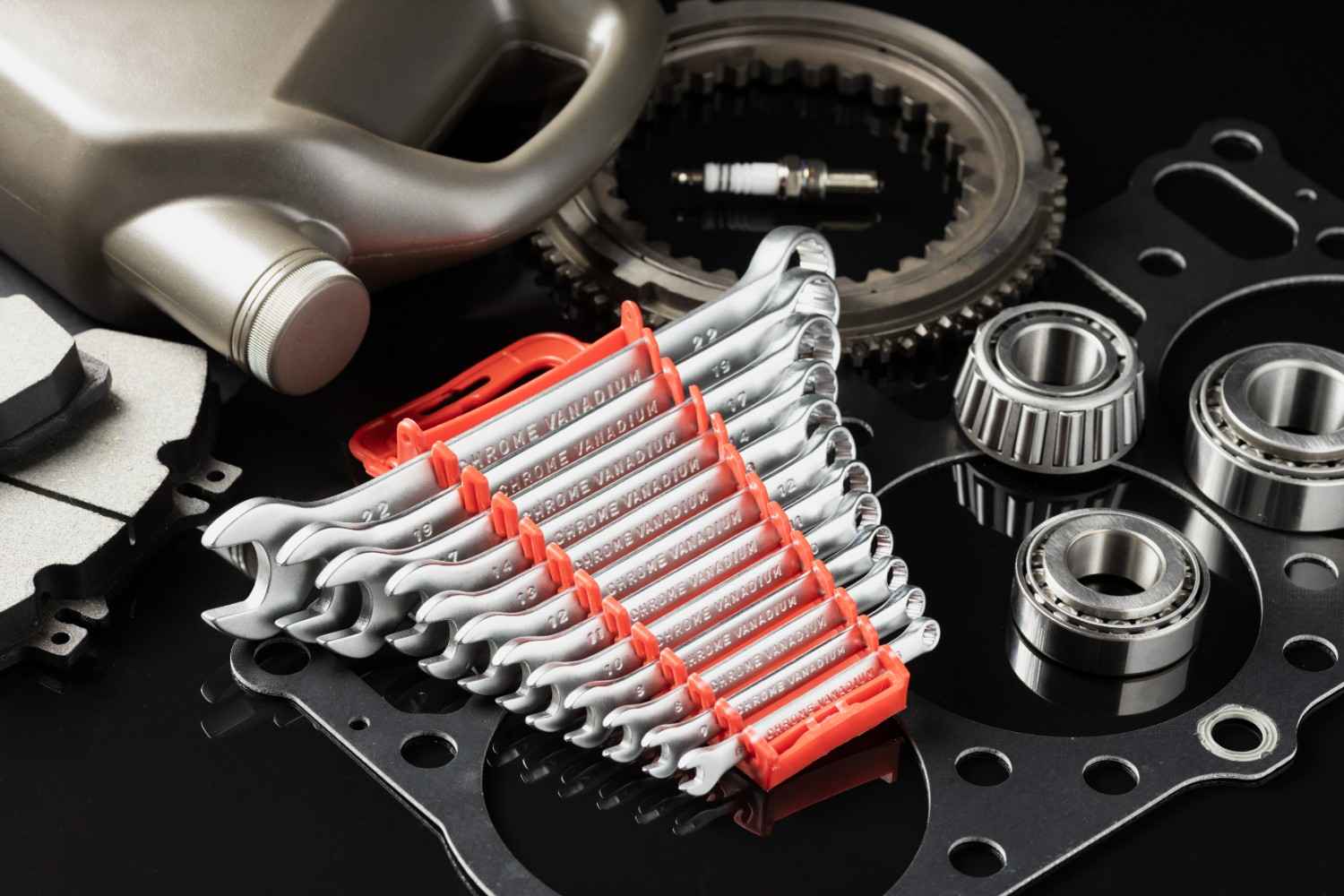
Original vs Aftermarket Spare Parts: Which Is Better?
Choosing the right spare parts is a critical decision for every vehicle owner, workshop, and fleet operator. The ongoing debate between original spare parts and aftermarket spare parts directly impacts vehicle performance, safety, durability, and long term maintenance costs.
In this ultimate expert guide, we provide a complete, proven, and reliable comparison to help you choose the best option. By understanding real world differences, you can make a smart decision that balances quality, affordability, and long term value.
What Are Original Spare Parts
Original spare parts, commonly known as OEM parts, are manufactured by the same company that produced the vehicle or by an authorized supplier. These parts are designed specifically for your vehicle model and tested under strict quality standards.
One major benefit of OEM spare parts is perfect compatibility. Since they match factory specifications exactly, they ensure reliable performance and reduce the risk of premature failure.
Original parts are widely trusted for safety critical systems such as braking, steering, suspension, and engine components. They help maintain factory performance and vehicle integrity.
What Are Aftermarket Spare Parts
Aftermarket spare parts are produced by independent manufacturers and sold outside the vehicle brand’s official network. These parts are designed to replace OEM components once the vehicle is in use.
The biggest advantage of aftermarket auto parts is affordability. They are usually priced lower and available in multiple brands, allowing buyers to choose based on budget and quality preference.
Many reputable aftermarket manufacturers follow advanced engineering and testing standards, making them a reliable choice for everyday repairs and maintenance.
Original vs Aftermarket Spare Parts: Key Differences
The comparison between original vs aftermarket spare parts comes down to fit, quality, cost, warranty, and availability. OEM parts offer exact fit and consistent quality, while aftermarket parts provide flexibility and competitive pricing.
Original parts are backed by manufacturer warranties and are often preferred by dealerships. Aftermarket warranties vary depending on the brand and supplier.
Availability also differs. Aftermarket parts are generally easier to source and quicker to replace, especially for older or discontinued vehicle models.
1- Cost Comparison and Affordability
Original spare parts are typically more expensive due to branding, research costs, and dealer margins. The higher price reflects controlled manufacturing and guaranteed compatibility.
Aftermarket spare parts are more budget friendly and widely accessible. This makes them a popular choice for vehicle owners seeking affordable spare parts without compromising basic functionality.
For non critical components such as filters, mirrors, belts, and body parts, aftermarket options can deliver excellent value.
2- Quality and Reliability Considerations
Quality is often the biggest concern when choosing spare parts. Original parts offer consistent factory tested quality, reducing the risk of defects or performance issues.
High quality aftermarket parts from certified manufacturers can also be highly dependable. Choosing reliable spare parts depends largely on the reputation of the supplier.
Avoid low cost, unverified parts as they may lead to frequent breakdowns and increased long term expenses.
3- Safety and Performance Impact
Safety critical systems require careful consideration. Components related to braking, airbags, steering, and engine management should meet strict safety standards.
OEM parts are often recommended for these systems, especially in newer vehicles. However, premium aftermarket brands also meet international safety certifications.
Performance focused drivers may even prefer advanced aftermarket parts for enhanced handling or efficiency upgrades.
4- Warranty and Resale Value
Many vehicle owners worry about warranty issues. In most cases, using aftermarket parts does not automatically void a warranty unless the part causes damage.
OEM parts help preserve manufacturer compliance and may positively influence resale value. Buyers often trust vehicles maintained with original components.
For vehicles outside warranty coverage, aftermarket parts offer a practical and cost effective solution.
When to Choose Original Spare Parts
Original spare parts are the best choice for new vehicles, luxury models, and warranty covered repairs. They ensure factory level performance and long term reliability.
They are also ideal when resale value, safety assurance, and manufacturer recommendations matter most. In such cases, choosing the best original spare parts is a smart investment.
When to Choose Aftermarket Spare Parts
Aftermarket spare parts are ideal for older vehicles, routine maintenance, and budget conscious repairs. They offer wide availability and faster replacement options.
Selecting trusted aftermarket spare parts from certified suppliers ensures durability and peace of mind. Many professional workshops rely on aftermarket brands for daily operations.
With proper research, aftermarket components can be a proven and efficient alternative.
AI Overview
OEM parts offer perfect fit and reliability, while aftermarket parts provide affordable alternatives. Choosing the right spare part depends on safety needs, budget, and vehicle age.
FAQs
Is it better to use OEM parts or aftermarket parts?
OEM parts are better for safety, fit, and warranty protection, especially for new vehicles.
Aftermarket parts are ideal when affordability and availability are higher priorities.
Which is better, OEM or original?
OEM and original parts are essentially the same in quality and design. Original parts are OEM parts sold directly under the vehicle brand name.
What is the difference between original and OEM and aftermarket?
Original and OEM parts are made to factory standards by authorized manufacturers. Aftermarket parts are produced by third parties and vary in quality and price.
What is the disadvantage of OEM?
OEM parts are usually more expensive than aftermarket alternatives. They may also have limited availability and longer replacement lead times.
Conclusion
Choosing between original spare parts and aftermarket spare parts ultimately depends on your vehicle type, budget, and performance expectations. Original parts offer factory precision and long term reliability, while high quality aftermarket options provide affordable and flexible solutions when sourced from trusted suppliers.
Making an informed decision ensures safety, durability, and value for money across the vehicle’s lifespan. If you are looking for reliable, affordable, and expert-approved spare parts solutions, Power Blitzz is a trusted supplier delivering quality parts backed by professional support to meet your automotive needs.
Explore More Expert Guides
Discover guides on all hardware, building materials, and electrical products for your next project.
- Industrial vs Commercial Generators: What’s the Difference?: Understand how generator types differ in power, usage, and efficiency for business and industrial applications.
- Best Cordless Power Tools & Popular Brands in UAE: Explore top cordless tools and trusted brands that deliver performance, durability, and value.
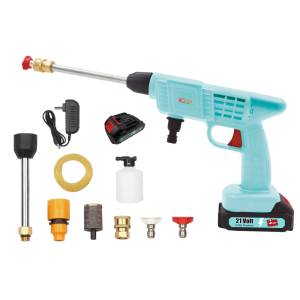
- Different Types of Pressure Washer/Mixer and Their Uses: Learn about pressure washers and mixers, their applications, and how to choose the right one.
- Different Types of Welding Machines and Their Applications: A quick guide to welding machines and where each is used.
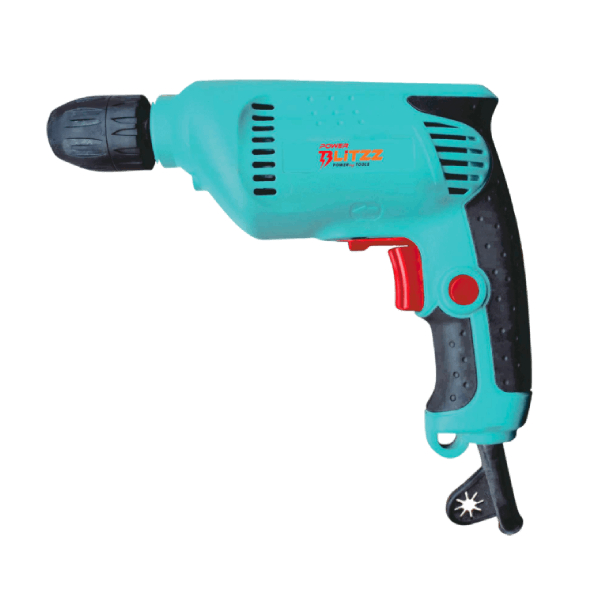
- Top Mistakes to Avoid While Using a Drill Machine: Avoid common drilling errors to improve safety and efficiency.

Popular Posts
November 8, 2023
November 14, 2023
November 28, 2023
December 4, 2023
December 13, 2023
Copyright © 2024 – Power Blitzz– All rights reserved.