
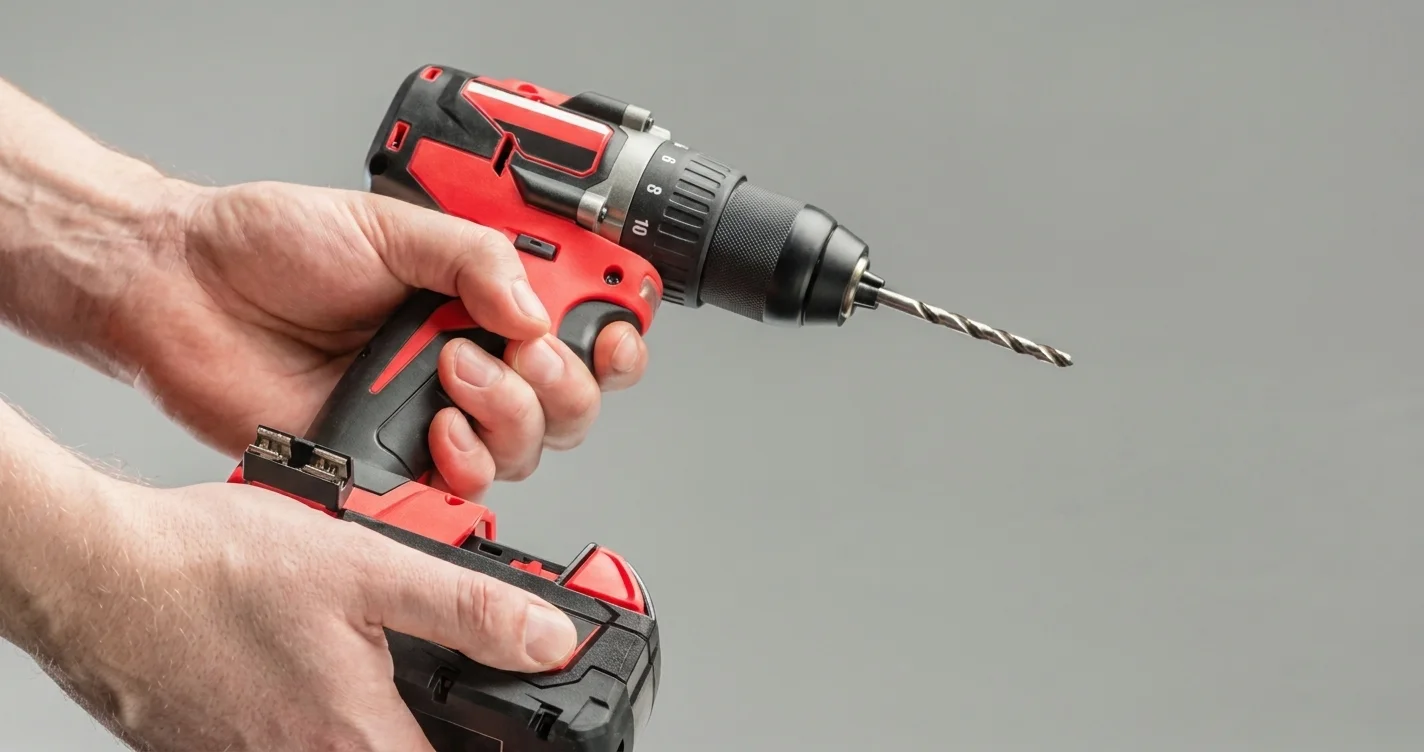
What to Look for When Choosing a Cordless Power Drill
Choosing the right cordless power drill starts with understanding your work needs. This guide explains how to compare drill power and battery life while checking comfort and essential features to find the right tool for your projects.
Choosing a cordless power drill requires more than comparing prices and battery sizes. The right tool should match your work requirements, provide reliable performance and feel comfortable during use. Whether you need it for home repairs, furniture assembly or regular construction tasks, understanding its main features can help you make a practical choice.
Battery performance, torque, speed settings and chuck size all affect how a drill performs. This guide explains what to consider when buying a cordless drill so you can compare available options and select a model that suits your needs.
What Should You Consider Before Choosing a Cordless Power Drill?
Start by identifying the type of work you plan to perform. A drill used occasionally for household repairs may not need the same power or battery capacity as a tool used daily on a construction site.
Consider these factors before comparing models:
- Application: Decide whether you need the drill for drilling holes, fastening screws or handling different materials.
- Frequency of use: Occasional users may prefer a compact model, while professionals may need a more durable tool.
- Material type: Wood, metal and masonry require suitable drill bits and different operating approaches.
- Budget: Compare the overall cost, including batteries, chargers, accessories and warranty coverage.
- Portability: A lightweight drill is easier to carry and use in tight spaces.
Understanding these requirements helps you narrow your options and avoid paying for features you may not need.
How Do Battery Voltage and Capacity Affect Performance?
Battery specifications influence how a cordless drill performs and how long it can operate between charges. Voltage relates to the drill’s power system, while ampere-hour (Ah) capacity indicates how much charge a battery can store.
Common cordless drill platforms include 12V and 18V or 20V maximum systems. Compact models are often suitable for light-duty work, furniture assembly and tasks where easy handling matters. Higher-voltage platforms can provide more power for demanding applications, depending on the tool’s design.
Battery capacity also matters. A higher Ah rating can provide longer runtime under comparable conditions, but it may increase battery weight and charging time.
Before buying, check the battery capacity, charging time and availability of replacement batteries. It is also worth checking whether the battery is compatible with other tools from the same product range.
If you work for long periods, a spare battery can reduce interruptions. Always compare the manufacturer’s specifications rather than relying on voltage alone.
How Much Torque and Speed Do You Need?
Torque is the rotational force a drill produces. It affects how effectively the tool drives screws or drills into materials. Higher torque can help with demanding tasks, but excessive force may damage screws or work surfaces if it is not controlled properly.
Speed is usually measured in revolutions per minute (RPM). Lower speeds offer better control for screwdriving and precision work. Higher speeds are often useful for drilling, depending on the material and bit.
Look for adjustable speed settings and a variable-speed trigger. These features let you control the drill according to the task.
For example, assembling cabinets often requires controlled screwdriving to avoid damaging the material. Drilling into metal may require a suitable bit and an appropriate speed to prevent overheating.
A drill with adjustable torque and multiple speed settings can handle a wider range of jobs than a model with limited controls.
Which Chuck Size Is Right for Your Work?
The chuck holds the drill bit or screwdriver bit in place. Its size determines the shank diameter the drill can accept, although compatibility also depends on the chuck design.
Two common sizes are 10 mm and 13 mm. A 10 mm chuck is often found on compact drills designed for light-duty tasks. A 13 mm chuck can accept larger-shank accessories and is common on drills intended for more demanding applications.
You should also consider the chuck mechanism. A keyless chuck allows you to change bits by hand, making accessory changes quicker and more convenient.
Before choosing a model, think about the drill bits you already own and the materials you expect to work with. The right chuck size helps ensure that your drill supports the accessories required for your projects.
Why Should You Check the Motor and Clutch Settings?
The motor affects power delivery, efficiency and overall performance. Some cordless drills use brushed motors, while others feature brushless motors.
Brushless motors generally offer improved efficiency and reduced maintenance because they do not use traditional motor brushes. However, overall performance also depends on the tool’s design, battery system and build quality.
The clutch is another important feature. It helps control the torque applied when driving screws. When the selected torque limit is reached, the clutch reduces the risk of overtightening or damaging the screw head and work surface.
A drill with several clutch settings is useful when working with different fasteners and materials. You can select a lower setting for delicate tasks and adjust it for applications requiring more driving force.
For frequent professional use, compare motor performance, thermal protection, service support and replacement-part availability before making a decision.
How Important Are Weight and Grip When Choosing a Drill?
Comfort can make a significant difference when using a drill for extended periods. A heavy or poorly balanced tool may cause fatigue, especially when working overhead or in confined spaces.
Look for a handle that provides a secure grip and allows you to maintain control. Rubberised grip surfaces may improve comfort, while a balanced design can make the drill easier to guide accurately.
Other useful features include:
- LED work light: Helps illuminate dim work areas.
- Belt clip: Makes the drill easier to carry between tasks.
- Compact body: Improves access to narrow spaces.
- Variable-speed trigger: Offers better control when starting a hole or driving a screw.
- Battery indicator: Helps you monitor the remaining charge.
If possible, hold the drill before buying it. Check whether the controls are easy to reach and whether the tool feels balanced with its battery attached.
Which Accessories Should Come With a Cordless Power Drill?
Accessories can affect how useful a drill is straight out of the box. Some models include only the tool, while others come with a battery, charger, carrying case and selection of bits.
Before purchasing, check exactly what is included. A lower-priced drill may cost more overall if you need to buy compatible batteries and a charger separately.
Useful accessories may include drill bits for wood and metal, screwdriver bits for common fasteners, a compatible battery and charger, and a carrying case for storage and transport. An additional battery can also help reduce downtime during longer jobs.
Choose accessories according to the work you perform. For example, drilling into masonry may require a suitable masonry bit and a drill designed for that application. A standard cordless drill should not automatically be treated as a replacement for a hammer drill when working with hard masonry.
When comparing options from a cordless power tools supplier, check tool compatibility and included accessories to make a more informed purchase.
How Can You Match a Cordless Drill to Your Application?
The best drill depends on the type of work, materials and frequency of use. Use this comparison as a starting point.
| Application | Features to Consider |
|---|---|
| Home repairs | Compact design, easy controls and suitable battery capacity |
| Furniture assembly | Adjustable clutch, variable speed and screwdriver bits |
| Woodworking | Suitable torque, speed control and compatible wood bits |
| Metal drilling | Appropriate speed range, compatible metal bits and sufficient power |
| Construction work | Durable design, reliable battery performance and suitable torque |
| Regular professional use | Efficient motor, spare batteries and accessible service support |
These are general guidelines rather than strict rules. The right specification depends on the material, hole size, fastener type and demands of each task.
For specialised applications, review the manufacturer’s instructions to confirm that the drill is rated for the intended work.
What Should You Check Before Buying a Cordless Drill?
Once you have shortlisted a few models, compare their specifications and ownership costs. Looking beyond the advertised power rating can help you identify a tool that offers better long-term value.
Use this checklist before making your purchase:
- Confirm that the drill suits your intended applications.
- Compare battery voltage, capacity and charging time.
- Check torque settings and available speed ranges.
- Verify chuck size and accessory compatibility.
- Consider weight, grip and overall balance.
- Review the included battery, charger and accessories.
- Check warranty terms and local service availability.
- Compare replacement battery costs and spare-part availability.
- Read the manufacturer’s operating and maintenance instructions.
If you expect to use the drill regularly, reliability and access to support may be more valuable than choosing the cheapest model. A well-matched tool can improve control, reduce unnecessary interruptions and help you complete work more efficiently.
Conclusion
Choosing the right cordless power drill starts with understanding your workload and the features that matter most. Battery performance, torque, speed control, chuck size and comfort should all influence your decision. Comparing these specifications helps you select a tool that suits your projects without paying for unnecessary features.
Explore the cordless tool options available at Power Blitzz to compare products for your requirements. Consider the included accessories, battery compatibility and support options before making your final choice.
Need Help Choosing the Right Cordless Drill?
Not sure which cordless drill suits your work? Contact our team to discuss your requirements and find suitable cordless power tools for your project.
Frequently Asked Questions
Is a higher-voltage cordless drill always better?
No. Higher-voltage models can offer more power, but they may also be heavier and more than you need for light-duty tasks. Choose a drill based on your application rather than voltage alone.
What is the difference between torque and speed in a cordless drill?
Torque is the rotational force used to drive screws or drill through materials. Speed refers to how quickly the drill rotates. Both affect performance, and adjustable settings help you control the tool for different tasks.
How long should a cordless drill battery last?
Runtime depends on battery capacity, material resistance, workload, tool efficiency and battery condition. A higher-capacity battery can provide longer runtime under c

Popular Posts
November 8, 2023
November 14, 2023
November 28, 2023
December 4, 2023
December 13, 2023
Copyright © 2024 – Power Blitzz– All rights reserved.