
How Long Does Carbon Brush Last in Power Tools?
Carbon brushes in power tools typically last between 50 and 150 hours of active use, though this varies widely based on tool type, motor load, and duty cycle.
Light duty tools like drills may go a year or more between replacements, while heavy use tools like angle grinders or demolition hammers may need new brushes every few months. Knowing the signs of wear helps you avoid unexpected motor damage and downtime.
What Are Carbon Brushes and What Do They Do?
A carbon brush is a small block of carbon or carbon graphite that conducts electricity to the rotating commutator inside a universal motor. It maintains constant electrical contact while allowing the motor shaft to spin freely. Without functioning brushes, the motor cannot receive power and the tool will not run.
Carbon brushes are considered wear items, meaning they are designed to degrade gradually rather than fail all at once. This protects more expensive internal components like the armature and commutator from damage.
How Long Do Carbon Brushes Typically Last?
There is no single fixed lifespan for carbon brushes because usage patterns vary so much between users. That said, manufacturers and repair technicians generally point to a usable range that helps set expectations.
Average Lifespan by Tool Type
- Drills and drivers: 12 to 18 months of typical DIY use, or roughly 100 to 150 hours of runtime
- Circular saws: 6 to 12 months with regular use
- Angle grinders: 3 to 6 months under frequent trade use due to high motor speeds
- Demolition hammers and rotary hammers: 2 to 4 months under daily jobsite conditions
- Vacuum cleaners and shop vacs with universal motors: 1 to 3 years depending on run time
These figures are general estimates. A manufacturer’s spec sheet or service manual, where available, remains the most reliable source for a specific model.
Factors That Affect Carbon Brush Life
Several variables influence how quickly carbon brushes wear down.
- Duty cycle: Continuous heavy use wears brushes faster than short, intermittent tasks
- Motor load: Forcing a tool through tough material increases current draw and brush friction
- Ventilation: Blocked vents trap heat, which accelerates brush and commutator wear
- Brush quality: OEM or high grade replacement brushes tend to outlast generic alternatives
- Environment: Dust, moisture, and debris increase friction and contamination inside the motor housing
What Are the Warning Signs of Worn Carbon Brushes?
Recognizing early warning signs prevents costly motor damage. Common symptoms include visible sparking near the motor vents, a noticeable drop in power or speed, and intermittent operation where the tool cuts in and out.
Some tools also produce a burning smell or unusual grinding noise as the brush spring loses tension. If a tool suddenly stops running entirely, worn out brushes are one of the most common and least expensive causes to check before assuming the motor has failed.
How Do You Check Carbon Brushes in a Power Tool?
Most corded power tools are designed with accessible brush caps, making inspection straightforward for anyone comfortable with basic tools.
Step by Step Inspection Process
- Unplug the tool completely and wait a few minutes for it to cool
- Locate the brush caps, usually small round covers on either side of the motor housing
- Remove the caps using a flathead screwdriver, keeping track of spring orientation
- Slide out the carbon brush and measure its remaining length against the manufacturer’s minimum spec
- Inspect for a flat sparking end, contamination, or a brush shorter than one quarter inch
- Replace both brushes as a matched pair, even if only one looks worn
- Reinsert the brush caps and test the tool briefly before returning it to full use
Replacing brushes in pairs helps maintain even electrical contact and prevents premature failure of the newly installed brush.
Carbon Brushed Motors vs Brushless Motors: Which Lasts Longer?
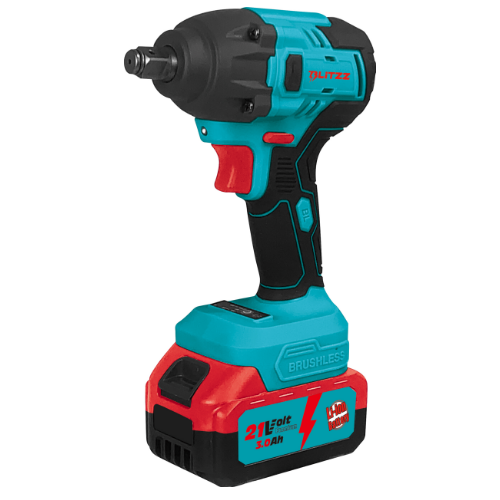
Brushless motors last significantly longer than carbon brushed motors because they eliminate the physical brush to commutator contact entirely. Instead, they use electronic controllers to manage current flow, which reduces friction, heat, and wear related failure points.
| Feature | Carbon Brushed Motor | Brushless Motor |
|---|---|---|
| Typical Wear Part Life | 50 to 150 hours | No brushes to wear |
| Maintenance | Periodic brush replacement | Minimal maintenance |
| Upfront Tool Cost | Lower | Higher |
| Efficiency | Lower due to friction loss | Higher, less heat generated |
Brushed tools remain popular because they are more affordable and easier to service in the field, which matters for tradespeople who prioritize quick repairs over long term motor life.
How Often Should You Replace Carbon Brushes?
Most manufacturers recommend inspecting carbon brushes every 100 hours of use or at the first sign of reduced performance. Heavy duty trade tools often benefit from a scheduled check every few months, while occasional DIY tools can typically be inspected once a year.
How to Extend the Life of Your Carbon Brushes
Simple habits can meaningfully extend brush life. Keep motor vents clear of dust and debris, avoid forcing the tool under excessive load, and store tools in dry conditions to prevent moisture related corrosion.
Letting a tool run briefly without load periodically also helps brushes seat evenly against the commutator. Carbon brushes are an inexpensive part of routine power tool maintenance, and staying ahead of wear protects the more expensive components inside the motor.
If your tool is showing sparking, power loss, or intermittent operation, check the brushes first before assuming a bigger repair is needed. Shop OEM replacement carbon brush kits matched to your tool’s model number to restore full performance quickly and safely.
FAQs
Can I use a power tool with worn carbon brushes?
Using a tool with badly worn brushes is not recommended because it can cause sparking, overheating, and damage to the commutator. It is safer and cheaper to replace brushes early than to risk motor failure.
Do all power tools have carbon brushes?
No, only tools with universal or brushed DC motors use carbon brushes. Brushless power tools use electronic controllers instead and do not have this wear part.
Is it expensive to replace carbon brushes?
Carbon brush replacement is one of the most affordable power tool repairs, often costing far less than a full motor replacement. Many kits are inexpensive and can be installed without professional help.
Should I replace both carbon brushes at the same time?
Yes, carbon brushes should always be replaced in matched pairs even if only one appears worn. This keeps electrical contact even and prevents premature wear on the new brush.
Need Reliable Carbon Brushes for Your Power Tools?
Power Blitzz supplies quality carbon brushes and power tool components for contractors, workshops, maintenance teams, and industrial users across the UAE. Whether you need a replacement carbon brush for a specific tool model or want guidance on selecting the right component, our team can help you find a suitable solution.
Contact Power Blitzz today for carbon brush availability, product details, and supplier support for your power tool requirements.

Popular Posts
November 8, 2023
November 14, 2023
November 28, 2023
December 4, 2023
December 13, 2023
Copyright © 2024 – Power Blitzz– All rights reserved.