
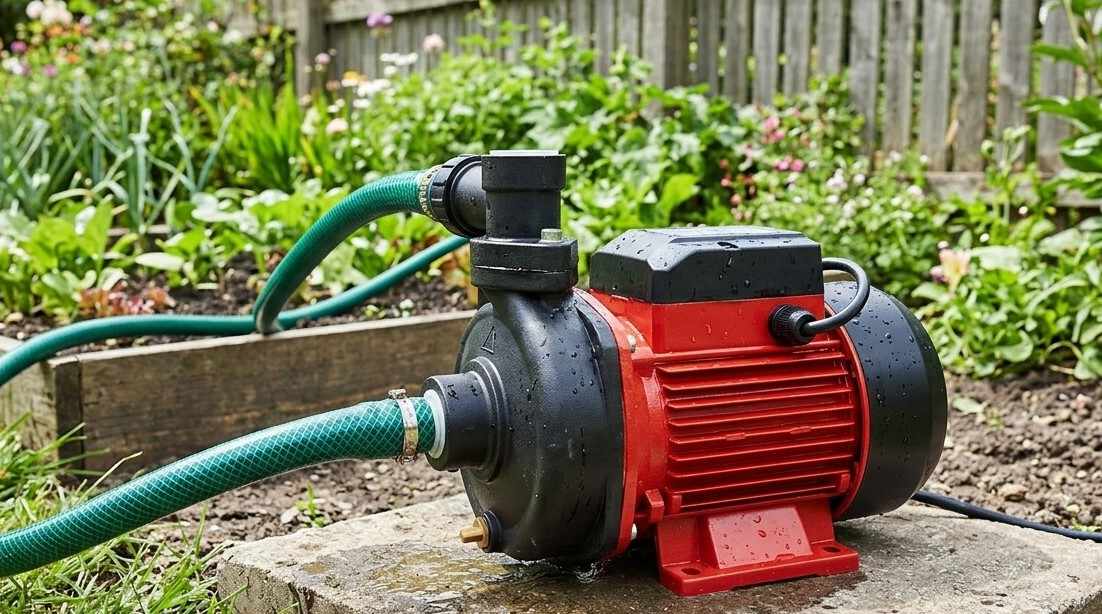
Energy Saving Tips for Water Pumps That Actually Cut Electricity Bills
If your electricity bill keeps climbing and you cannot figure out why, your water pump might be the reason. Pumps run quietly in the background, but they are one of the biggest power draws in any home, farm or commercial building. The good news is that cutting that power use in half is often possible without buying a completely new system.
It comes down to choosing the right pump, fixing the piping around it and keeping it maintained. Here is a practical breakdown of what actually works.
Why Water Pumps Use So Much Electricity
Most pumps waste energy long before the water even reaches the tap. A few common reasons drive up consumption.
- Oversized pumps that work harder than needed for the actual flow required
- Frequent starts and stops that spike current every time the motor kicks in
- Worn parts like impellers and seals that force the motor to compensate
- Narrow or badly routed pipes that add resistance the pump has to push against
Once you understand where the waste comes from, fixing it becomes much simpler.
Choose the Right Pump Size for Your Needs
Bigger is not always better when it comes to pumps. An oversized pump cycles on and off constantly, and every start up draws a heavy current spike. Matching your pump to your actual head and flow requirement almost always saves more power than upgrading to a stronger motor.
If you are unsure how to size a system correctly, our guide on how to choose the right submersible water pump walks through the basics step by step.
Homes and businesses across the region looking for a reliable water pump supplier Dubai Ajman UAE can compare pump ranges built for different flow and pressure needs before making a purchase.
Variable speed pumps are also worth considering. Instead of running at full power all the time, they adjust output based on demand, which can lower energy use by a wide margin in homes with fluctuating water needs.
Pump Type Comparison
| Pump Type | Typical Energy Behaviour | Best Suited For |
|---|---|---|
| Fixed Speed Pump | Runs at full power regardless of demand | Steady, predictable water use |
| Variable Speed Pump | Adjusts speed automatically to match demand | Homes and buildings with changing water use |
| Oversized Pump | Cycles frequently and wastes power | Not recommended for most applications |
Reduce Pipe Resistance and Layout Losses
Pipe design affects energy use just as much as the pump itself. Every sharp bend, narrow pipe and unnecessary valve adds resistance that the motor has to overcome.
Small layout changes make a real difference.
- Use wider pipes for long runs to reduce flow resistance
- Replace sharp right angle bends with gentler curves where possible
- Remove valves that are no longer needed in the system
- Position the pump as close to the water source as practical to shorten the suction line
These are one time fixes that keep paying off every single day the pump runs.
Keep Your Pump System Well Maintained
A neglected pump consumes more electricity even if nothing looks obviously wrong. Blocked filters, worn seals and loose pipe joints all force the motor to work harder for the same output.
A simple maintenance routine goes a long way.
- Clean intake filters and check for debris regularly
- Inspect pipe joints for air leaks that disrupt suction
- Replace worn impellers and seals before they cause backflow
- Watch for a drop in water flow or a rise in power draw as an early warning sign
The same logic applies across most powered equipment. If you already follow a maintenance routine for your air compressor, you already understand how much regular upkeep protects performance and lowers running costs.
Upgrade to Energy Efficient Motors and Components
Pump technology has improved a lot in the last decade. Newer motors deliver the same output using noticeably less power, and the difference becomes clear once you compare an old pump against a modern one running the same load.
This mirrors a broader shift happening across construction and facility equipment, where teams are actively looking to choose energy efficient power tools for sustainable projects. Pumps fit into that same conversation, since they often run for hours without anyone paying close attention to their power draw.
If your pump is more than ten years old, it is worth checking whether an upgrade would pay for itself through lower bills within a couple of years.
Smart Usage Habits That Lower Power Bills
Even a well sized, well maintained pump can waste electricity if usage habits work against it. Pumps draw the most current at startup, so frequent on and off cycles quietly add up.
Simple habit changes help.
- Use water in concentrated periods rather than spreading small amounts throughout the day
- Run the pump during off peak electricity hours where tariffs allow it
- Avoid letting float switches or controls trigger unnecessary restarts
- Pair the system with backup power sensibly, especially for properties comparing an industrial or commercial generator setup for continuous water supply
Quick Actions and Their Impact
| Action | Effort Level | Typical Impact |
|---|---|---|
| Correct Pump Sizing | Medium | High |
| Piping Layout Fixes | Medium | Medium to High |
| Regular Maintenance | Low | Medium |
| Usage Habit Changes | Low | Low to Medium |
Bringing It All Together
Cutting pump electricity use in half is rarely about one big change. It is the combination of correct sizing, cleaner piping, consistent maintenance and smarter daily habits that adds up to real savings over time. Start with the low cost fixes first, since they usually deliver results within weeks, then plan for equipment upgrades where the numbers make sense.
Looking for a trusted water pump supplier for your home, farm or project in the UAE? Power Blitzz offers a reliable range of pumps built for efficient, long term performance. Contact Power Blitzz today to get expert guidance on choosing the right pump for your water needs.
Keep Reading More Guides
- How to Choose the Right Submersible Water Pump: Learn how to size and select a submersible pump correctly.
- Complete Guide to Air Compressor Maintenance Tips: Simple upkeep habits that keep motors running efficiently.
- How to Choose Energy-Efficient Power Tools for Sustainable Construction in Abu Dhabi: See how smarter equipment choices lower long term power costs.
- Industrial vs Commercial Generators: What’s the Difference?: Compare backup power options for continuous pump operation.
- Complete Guide to Choosing Reliable Petrol Generator Suppliers in UAE: Find dependable backup power sources for your pump systems.

Popular Posts
November 8, 2023
November 14, 2023
November 28, 2023
December 4, 2023
December 13, 2023
Copyright © 2024 – Power Blitzz– All rights reserved.