
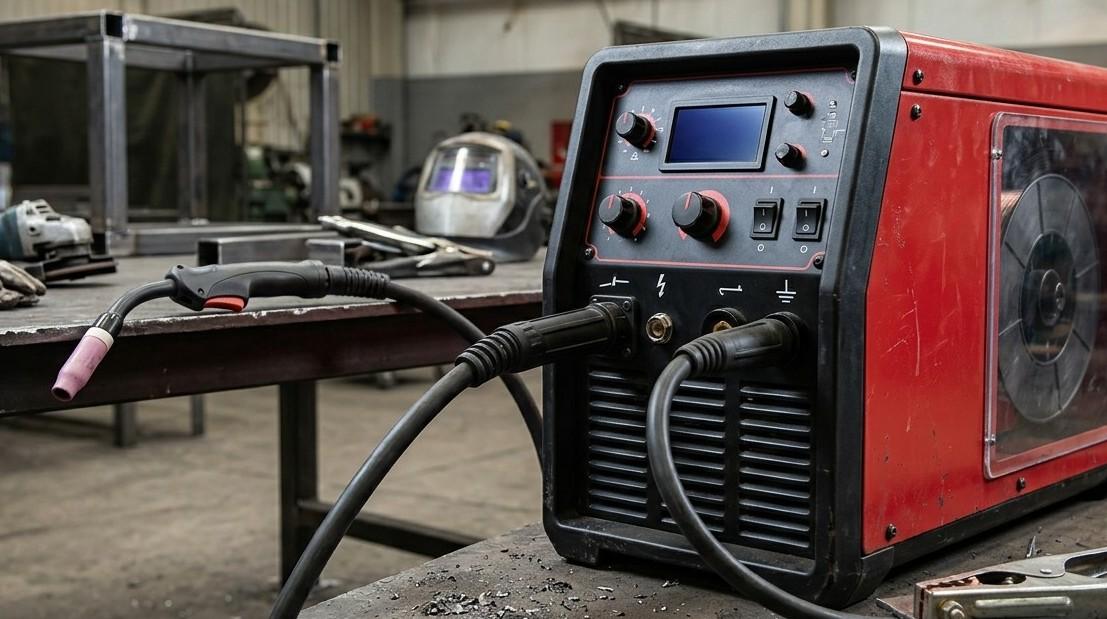
5 Practical Tips to Extend the Life of Your Welding Machine
A welding machine is one of the most valuable tools in any workshop or job site. Whether you run a small fabrication shop or manage a large industrial unit, keeping your welding equipment in good condition directly affects your output quality and your budget. Poor maintenance often leads to weak welds, unexpected breakdowns and expensive repairs.
The good news is that most welding machine problems can be avoided with a few simple habits. In this guide we share five practical tips that help extend the life of your welding machine while keeping it safe and efficient for daily use.
Why Welding Machine Maintenance Matters
Welding machines work under intense heat, dust and continuous power load. Over time this wear affects internal components such as cables, cooling fans and control boards. Regular maintenance helps you
Reduce sudden equipment failure Maintain consistent weld quality Lower long term repair costs Improve workplace safety Extend the overall service life of the machine
A well maintained welding machine also performs more efficiently, which saves energy and reduces downtime during production.
Tip One Clean Your Welding Machine Regularly
Dust, metal spatter and grime build up quickly during welding operations. If left unattended this debris can block airflow, damage internal parts and cause overheating.
Wipe down the exterior after every shift with a dry cloth Use compressed air to clear dust from vents and internal compartments Clean the wire feeder and driving rollers to avoid feeding issues Avoid using water or wet cloths near electrical parts
A simple daily cleaning routine can prevent many common performance issues before they start.
Tip Two Inspect Cables and Connections
Damaged cables and loose connections are among the leading causes of welding machine failure. Frayed wires or corroded terminals can cause inconsistent arcs, overheating and even safety hazards for the operator.
Check cables for cracks, exposed wires or burn marks Ensure all connectors are tight and free from rust Test the grounding system to avoid unstable welds Replace worn cables immediately instead of temporary fixes
Taking a few minutes each week to inspect cables can prevent costly downtime later.
Tip Three Manage the Cooling System and Ventilation
Overheating is one of the fastest ways to shorten the lifespan of any welding machine. Most machines rely on built in fans or liquid cooling systems to regulate internal temperature.
Keep the cooling fan free from dust and debris Check coolant levels regularly for liquid cooled machines Ensure the workspace has proper ventilation Avoid continuous operation beyond the duty cycle rating
A machine that runs cooler will always last longer and deliver more stable performance.
Tip Four Store and Handle the Machine Properly
How you store and move your welding machine matters just as much as how you use it. Improper handling can damage internal components even when the machine looks fine on the outside.
Store the machine in a dry dust free area away from direct sunlight Use a wheeled cart when moving heavier units Avoid pulling the machine by its cables or torch Keep accessories organized so they remain easy to find and use
If you are setting up a new workshop, having the right supporting tools also makes daily operations smoother. You can check our guide on the top power tools every workshop needs for more practical recommendations.
Tip Five Schedule Regular Calibration and Servicing
Even with careful daily use, welding machines need periodic professional checks. Calibration ensures the machine delivers accurate voltage and current output, which directly affects weld quality.
Schedule calibration checks based on manufacturer guidelines Have a qualified technician inspect internal components yearly Replace worn electrodes and consumables on time Keep a maintenance log to track service history
Routine servicing helps catch small issues before they turn into major repairs.
Maintenance Frequency at a Glance
The table below gives a quick reference for how often each maintenance task should be performed.
| Maintenance Task | Recommended Frequency |
|---|---|
| Exterior and Vent Cleaning | After every shift |
| Cable and Connection Check | Weekly |
| Cooling System Check | Weekly |
| Driving Roller Cleaning | Weekly |
| Full Calibration and Servicing | Every six to twelve months |
Following a simple schedule like this makes it easier to stay consistent without adding extra workload to your team.
Choosing the Right Welding Machine for Long Term Performance
Maintenance plays a major role in equipment lifespan, but starting with a reliable and well built machine matters just as much. Different welding processes such as MIG TIG and stick welding place different demands on a machine, so understanding these differences helps you choose equipment suited to your workload.
Our detailed guide on different types of welding machines and their applications can help you compare options based on your specific needs. Investing in a durable machine from a trusted welding machine supplier and following the maintenance steps above gives you the best combination of performance and long term value.
Signs Your Welding Machine Needs Attention
Even with good maintenance habits it helps to know the early warning signs of a developing problem.
Unusual noise or vibration during operation Inconsistent arc or weak weld penetration Overheating despite normal usage Visible wear on cables or connectors Frequent tripping of circuit protection
Addressing these signs early can prevent a small issue from turning into a full equipment failure.
Final Thoughts
Extending the life of your welding machine does not require complicated steps. Regular cleaning, careful cable inspection, proper cooling, correct storage and timely servicing together make a significant difference in how long your equipment lasts and how well it performs. Building these habits into your daily workflow protects your investment and keeps your welding operations running smoothly.
Looking for a trusted welding machine supplier for your workshop or industrial project? Power Blitzz is a reliable name in the UAE for quality welding equipment and expert support. Contact Power Blitzz today and get expert advice on choosing and maintaining the right welding machine for your needs.
Keep Reading More Guides
- Best Petrol Generator Suppliers in Dubai & Sharjah UAE 2026: Find reliable generators for uninterrupted power solutions.
- Jigsaw Guide for Beginners: What is it and How to Use It?: Learn jigsaw basics, uses, and cutting techniques easily.
- Welding Safety Precautions Every UAE Professional Must Know: Follow essential safety practices for secure welding operations.
- Top Applications of Air Compressors in UAE Construction: Where compressors are used on-site.
- 7 Benefits of Silent Air Compressor in the Workplace: Why quiet compressors matter.

Popular Posts
November 8, 2023
November 14, 2023
November 28, 2023
December 4, 2023
December 13, 2023
Copyright © 2024 – Power Blitzz– All rights reserved.