
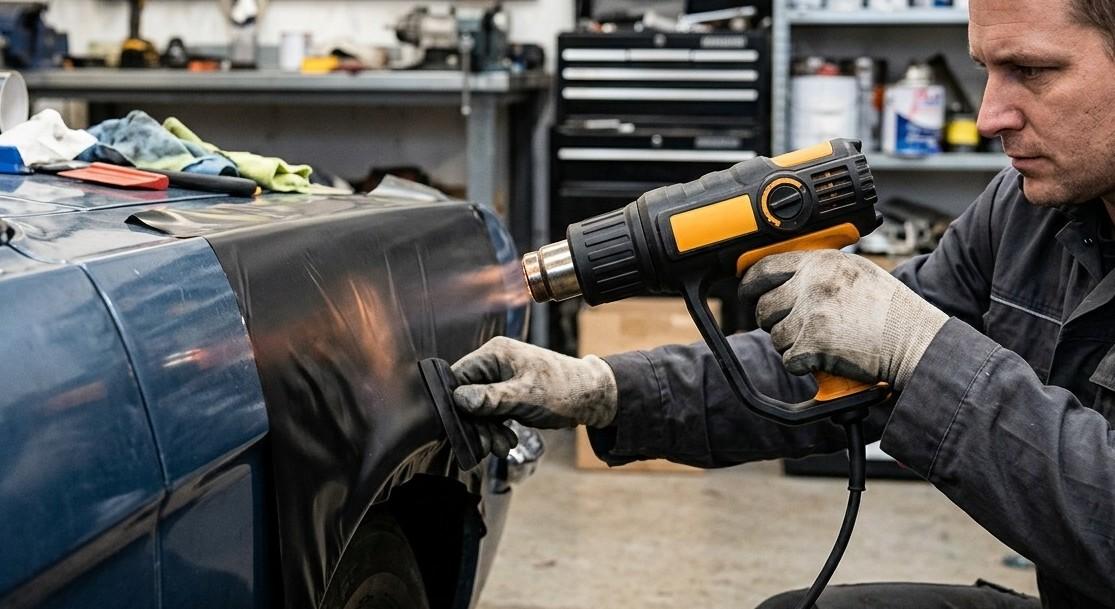
Heat Gun Guide: Working Principle, Types & Uses
A heat gun is one of those tools that quietly earns its place in almost every workshop toolbox. It looks simple, works like a powerful hair dryer, yet it can strip old paint, shrink insulation tubing, bend plastic pipes and dry out damp surfaces with just a stream of controlled hot air. For electricians, technicians, fabricators and home users alike, understanding how this tool works helps in getting cleaner results and avoiding damage to materials.
This guide walks through the working principle of a heat gun, its main types, core components, common uses and the factors worth checking before buying one.
What Is a Heat Gun?
A heat gun is a handheld electric tool that produces a focused stream of hot air through a nozzle. Unlike an open flame, it heats materials gradually and evenly, which makes it a safer choice for tasks involving plastic, adhesive, paint and insulation. Most models allow the user to adjust temperature and airflow, giving more control over delicate or heat sensitive surfaces.
How a Heat Gun Works?
The working principle of a heat gun is fairly straightforward. When the tool is switched on, an internal fan draws in air from the surroundings and pushes it across a heating element, usually made of nichrome wire. As the air passes over this heated coil, it absorbs the heat and exits through the nozzle at a much higher temperature.
The process happens in a few quick steps.
- Power is supplied to the heating element
- The nichrome coil heats up rapidly
- A built in fan pulls in surrounding air
- Air passes over the coil and becomes hot
- Heated air is directed out through the nozzle
This continuous cycle allows the operator to apply steady, controlled heat to a surface without any naked flame.
Types of Heat Guns
Heat guns are built in different configurations to suit different jobs. Choosing between them depends on the work environment and the level of temperature control needed.
| Type | Best Suited For | Typical Temperature Range |
|---|---|---|
| Corded Electric | Workshops and continuous indoor use | 200°C to 600°C |
| Cordless Battery Powered | Mobile jobs and hard to reach areas | 200°C to 500°C |
| Industrial Grade | Heavy duty manufacturing tasks | Up to 1000°C |
| Digital Controlled | Precision electronics and delicate materials | Adjustable in small increments |
Anyone deciding between a corded and cordless model may also find it useful to compare the two formats in more detail through this guide on corded vs cordless power tools, since the same logic applies when picking a heat gun for a job site.
Main Components of a Heat Gun
Every heat gun, regardless of brand or price, relies on a few core parts working together.
- Heating element that generates the hot air, typically nichrome wire
- Motor and fan that pull in air and push it through the nozzle
- Nozzle that directs airflow, often interchangeable for different tasks
- Temperature control switch that lets the user set heat levels
- Insulated housing and handle that protect the operator during use
Interchangeable nozzles are especially useful, since a reflector nozzle works well for pipe shrinking while a wide surface nozzle suits paint removal over larger areas.
Common Applications of a Heat Gun
A heat gun earns its versatility from being useful across so many trades. Some of the most common uses include the following.
- Shrinking heat shrink tubing on electrical cable joints
- Softening and removing old paint or varnish
- Bending and reshaping plastic pipes and sheets
- Loosening adhesives, labels and stickers
- Drying damp wood or surfaces before finishing
- Assisting in soldering and desoldering electronic components
Industrial settings push these applications even further, from plastic welding to shrink packaging on production lines. A closer look at how facilities use these tools can be found in this breakdown of industrial applications for heat guns, which covers manufacturing use cases in more depth.
Matching Temperature to the Task
Using the correct temperature range for a given material makes a noticeable difference in the final result and reduces the chance of scorching or warping the surface.
| Task | Recommended Temperature | Notes |
|---|---|---|
| Drying Paint or Varnish | 30°C to 130°C | Keep the gun moving to avoid dust marks |
| Bending Plastic Pipe | 200°C to 300°C | Heat gradually and evenly |
| Heat Shrink Tubing | 200°C to 300°C | Hold the gun at a safe distance |
| Softening Adhesives | 300°C to 400°C | Suitable for label and tape removal |
| Paint Stripping | 400°C to 600°C | Move continuously to prevent charring |
How to Choose the Right Heat Gun
Selecting a heat gun should start with the type of work planned rather than the price tag alone. A few practical points worth checking before buying include the following.
- Wattage, since higher output usually means faster heating and stronger airflow
- Adjustable temperature and airflow settings for handling different materials
- Safety features such as thermal cut out and a cool down mode
- Nozzle compatibility for tasks beyond basic paint stripping
- Build quality of the housing and handle for comfortable, long term use
For anyone shopping for a dependable unit, browsing a trusted heat gun supplier makes it easier to compare wattage, temperature range and accessory options in one place before making a decision.
Safety Tips When Using a Heat Gun
Since a heat gun can reach temperatures capable of causing burns or igniting nearby materials, a few safety habits go a long way.
- Wear heat resistant gloves and eye protection during use
- Keep the tool away from flammable materials and clutter
- Never block the air intake or exhaust vents while operating
- Work in a well ventilated area, particularly when heating coatings
- Let the tool cool down fully before placing it back in storage
The Next Generation of Heat Gun Technology
Newer heat guns are moving toward smarter temperature sensing, better energy efficiency and cordless designs that offer more freedom on the job. Manufacturing trends across the tools industry are shifting in this direction as demand grows for lighter, more precise equipment. A wider look at where the market is heading is available in this report on air blower and heat gun market trends, which covers the direction the industry is taking over the coming years.
Final Thoughts
A heat gun remains one of the most practical tools for anyone working with plastics, adhesives, paint or electrical insulation. Understanding its working principle, matching the right temperature to the task and choosing a model built for the intended workload all contribute to safer and more efficient results.
To explore the full lineup of tools built for professional and everyday use, visit Power Blitzz. If you need help picking the right model for your project, our team would be glad to walk you through the options, simply get in touch with us and we will take it from there.
Keep Reading More Guides
- Welding Safety Precautions Every UAE Professional Must Know: Follow essential safety practices for secure welding operations.
- Jigsaw Guide for Beginners: What is it and How to Use It?: Learn jigsaw basics, uses, and cutting techniques easily.
- Pressure Washer vs Power Washer: Complete Buying Guide: Compare electric and gas models before you buy.
- Top Uses for a Cordless Impact Wrench: Beyond the Basics: Discover everyday and unexpected uses for this tool.
- How to Choose the Right Demolition Hammer for Construction: Match power and features to your project needs.

Popular Posts
November 8, 2023
November 14, 2023
November 28, 2023
December 4, 2023
December 13, 2023
Copyright © 2024 – Power Blitzz– All rights reserved.